
Concrete Sealing & Protective Sealers
What Concrete Sealing Does for Your Surface
- Reduce staining from oil, food, leaves, and everyday spills
- Limit moisture intrusion that can lead to discoloration and surface wear
- Cut down on dusting from porous or aging concrete
- Improve cleanability for garages, shops, and higher-traffic floors
- Enhance color and depth for decorative concrete when that is the goal
Concrete sealing is not the same as installing a full coating system. If you need a stronger wear layer, slip-resistant texture, or a major appearance change, a coating system may be the better fit. You will get a recommendation based on how you use the space.
Types of Concrete Sealers and When Each One Makes Sense
Penetrating Sealers
Common uses include:
- Driveways and sidewalks
- Pool decks and outdoor living areas
- Concrete you want to keep looking natural
Topical Sealers
BEST FOR
- Better appearance than bare concrete
- Improved wear resistance
- A finish that is easy to maintain
Topical Sealers
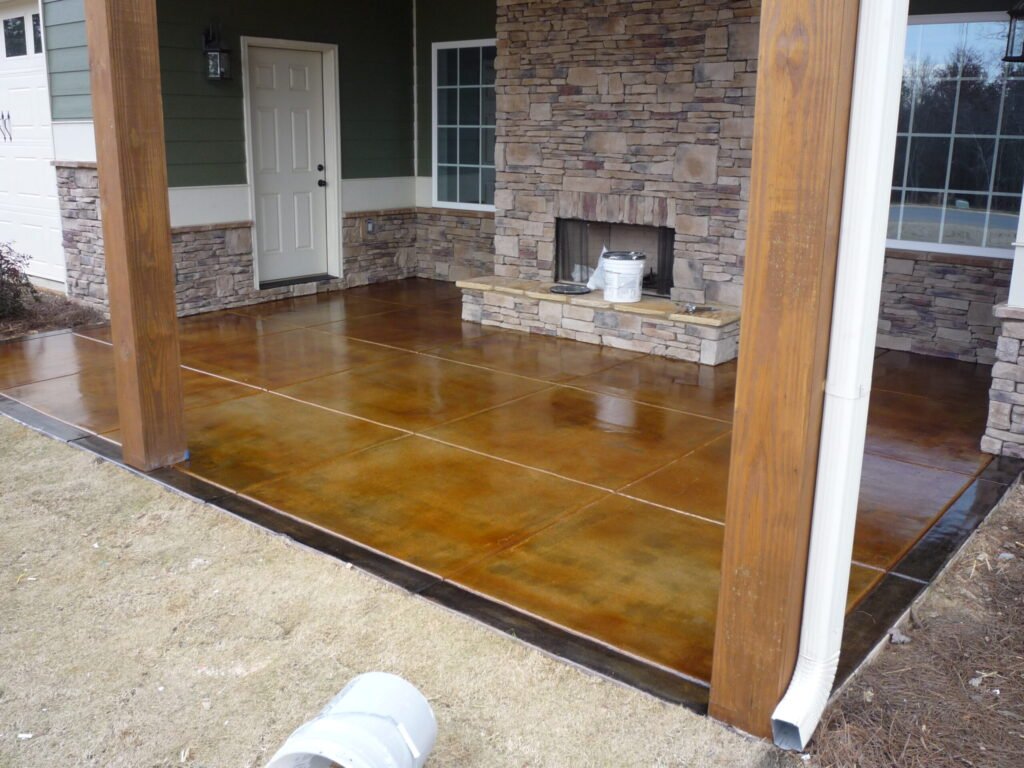
Topical sealers form a film on the surface. Depending on the product and finish, they can add sheen, enrich color, and increase stain resistance.
- Decorative stained concrete
- Indoor concrete where appearance and cleanability matter
- Light commercial areas where you want a more noticeable finish
Grind and Seal Approach
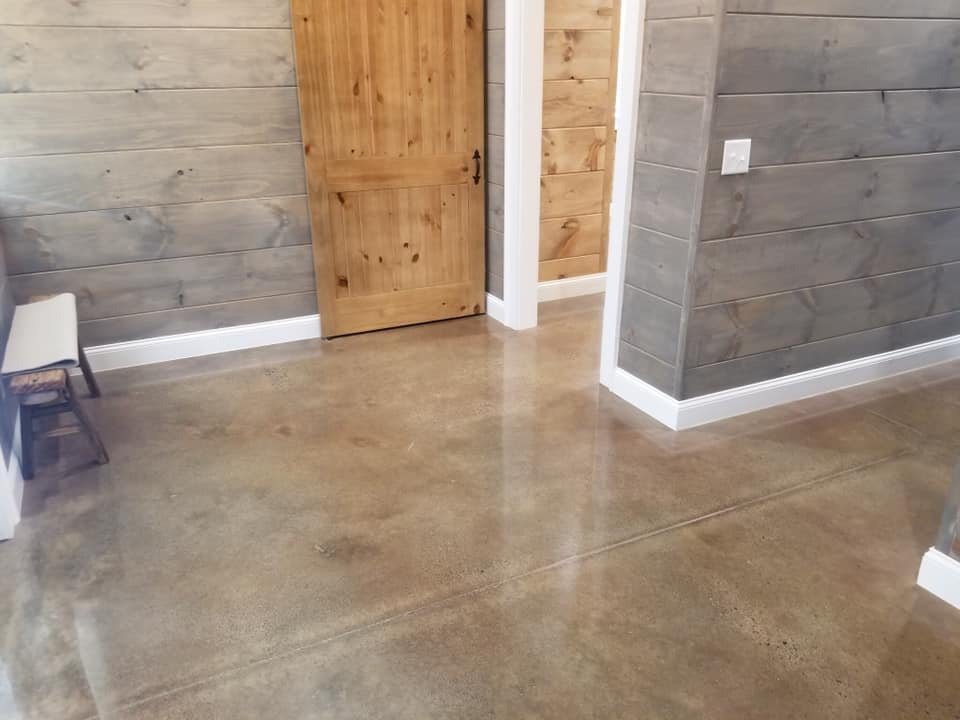
In many decorative concrete projects, a grind-and-seal finish is a practical option. The surface is mechanically prepped, then sealed to protect the finish. This can be a good match for certain interiors and commercial spaces where you want a clean, modern look without a thicker coating build.
Where Concrete Sealing is a Great Fit
Residential Concrete
- Driveways that see tire traffic, oil drips, and sun exposure
- Patios and porches that get rain, leaf tannins, and foot traffic
- Pool decks where moisture and outdoor conditions are constant
- Garages and basements, when you want easier cleanup and less dusting
- Carports that handle weather and vehicle use
Commercial and Industrial Spaces
- Showrooms and retail floors where appearance and maintenance matter
- Auto shops that need stronger stain resistance and easier cleanup
- Warehouses and work areas depending on traffic, use, and substrate condition
- Manufacturing facilities where the right protective system can reduce wear and maintenance
Our Concrete Sealing Process
Concrete sealing only performs as well as the prep beneath it. Your project starts with an on-site evaluation so the approach matches the concrete and its conditions.
Evaluate the concrete
- Porosity and absorption
- Existing coatings or previous sealers
- Cracks, spalling, or uneven areas
- Sun exposure, moisture, and drainage patterns
- How you use the space and what you need it to resist
Surface prep and cleaning
Prep may include cleaning, degreasing, mechanical abrasion, or other steps based on the surface condition. This step helps the sealer bond properly and wear evenly.
Repairs if needed
Sealer application
Cure and care guidance
When a Coating System is a Better Choice than Sealing
Coating options can include an epoxy base coat with a polyaspartic top coat where it makes sense. Options can include:
- Full flake broadcast floor coating system
- Partial flake broadcast floor coating system
- Solid color floor coating system (single color or “neat coat”)
- Metallic floor coating system
How to Maintain Sealed Concrete
- Use a pH-neutral cleaner when possible
- Clean spills sooner, especially oil and chemicals
- Avoid harsh degreasers unless they are recommended for your surface
- Use mats in high-spill zones like garage entry points and workbenches
- Plan periodic resealing based on traffic, sun exposure, and wear patterns
Concrete Sealing FAQs
How do I know if my concrete needs sealing?
Can you seal both indoor and outdoor concrete?
Will a sealer make my concrete slippery?
Can you seal stained concrete?
Is sealing enough for a garage floor?
Some garages do well with sealing, but many homeowners prefer a full coating system for better chemical resistance, easier cleaning, and a stronger wear layer. You can compare both options on-site.