
Concrete Staining
Concrete Staining Options
- Acid stain looks: Earth-tone, variegated color that reacts with the concrete for a one-of-a-kind finish (results vary by slab).
- Water-based stain looks: More control over color tone and a broader color range, often with a more uniform appearance.
- Dye-style looks: A cleaner, contemporary aesthetic that can pair well with polished concrete in certain applications.
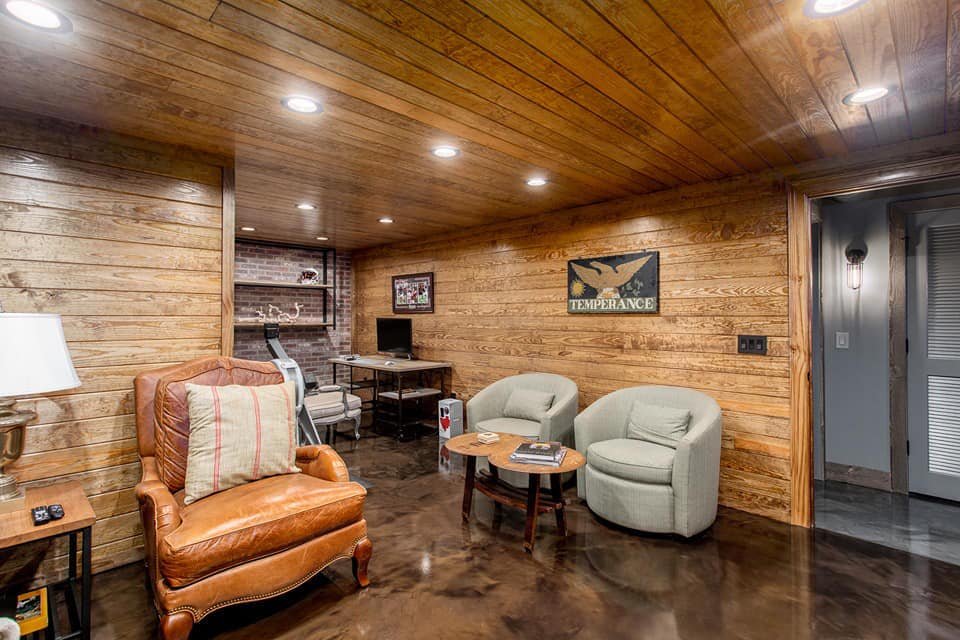
Where Concrete Staining Works Best
Concrete staining is popular because it can elevate many common concrete areas without changing the footprint. We stain and protect a wide range of surfaces, including:
Residential Concrete Staining
- Garage floors
- Basement floors
- Basement floors
- Carports
- Patios
- Pool decks
Commercial and Industrial Concrete Staining
- Warehouse floors
- Auto shop floors
- Showroom and retail floors
- Manufacturing facility floors
We will guide you toward the right approach based on traffic, sun exposure, water exposure, and whether vehicles will be driving on the surface.
A Common Automotive Shop System: Epoxy Base Coat + Polyaspartic Top Coat
You may be a good candidate for concrete staining if:
- You like a natural concrete look with color and movement.
- Your slab is in decent shape and can be prepped properly.
- You want a finish that pairs well with sealing for easier maintenance.
- You want a more uniform color or a bolder design.
- You want broadcast flake texture or metallic visual effects.
- You need a system designed for heavy wear, chemicals, or frequent cleaning.
Creted installs decorative concrete coating systems such as:
- Full flake broadcast floor coating system
- Partial flake broadcast floor coating system
- Solid color floor coating system
- Metallic floor coating system
We commonly use an epoxy base coat with a polyaspartic top coat on coating projects where that system is the best fit for the space.
You may want an overlay or resurfacing option if:
- The slab is uneven, heavily patched, or has surface damage that will show through stain.
- You want a refreshed look with improved surface consistency before decorative finishing.
What to Expect from Our Concrete Staining Process
A typical stained concrete project includes:
1 Evaluation and recommendations
2 Surface preparation
3 Stain application
4 Neutralizing and rinse steps when needed
5 Sealing and protection
6 Cure and use guidance
Sealing and Protective Sealers for Stained Concrete
Sealing protects the look you paid for. It helps defend against moisture, staining agents, and normal abrasion. The right protective sealer also helps cleaning stay simple.
Care and Maintenance for Stained Concrete
Stained concrete stays looking its best with straightforward care.
Helpful habits:
- Sweep or dust mop regularly to reduce grit and wear.
- Use a pH-neutral cleaner when mopping.
- Clean spills sooner rather than later, especially oils and chemicals.
- Use mats and felt pads where needed indoors.
What to avoid:
- Harsh acids or aggressive degreasers unless recommended for your finish.
- Abrasive scrub pads can dull the protective layer.
- Leaving road salts or chemicals sitting for long periods on exterior slabs.
If your concrete is outside and takes a lot of sun and weather, we can also talk about re-seal timing based on wear and exposure.
Concrete Staining FAQs
How much does concrete staining cost?
Can you stain old concrete?
Will stained concrete be slippery?
It can be, depending on sheen, moisture exposure, and sealer selection. For exterior and wet areas like pool decks, we can discuss traction options that fit the space.
Does concrete stain hide cracks or patches?
Stain is translucent and tends to show surface variations. If the slab has visible repairs or unevenness, resurfacing or overlay options may be a better fit for the look you want.
How long does the project take?
Get a Concrete Staining Estimate
Call us at 770-540-0088